Restoring the slow waters of spiritual formation
Restoring the slow waters of spiritual formation
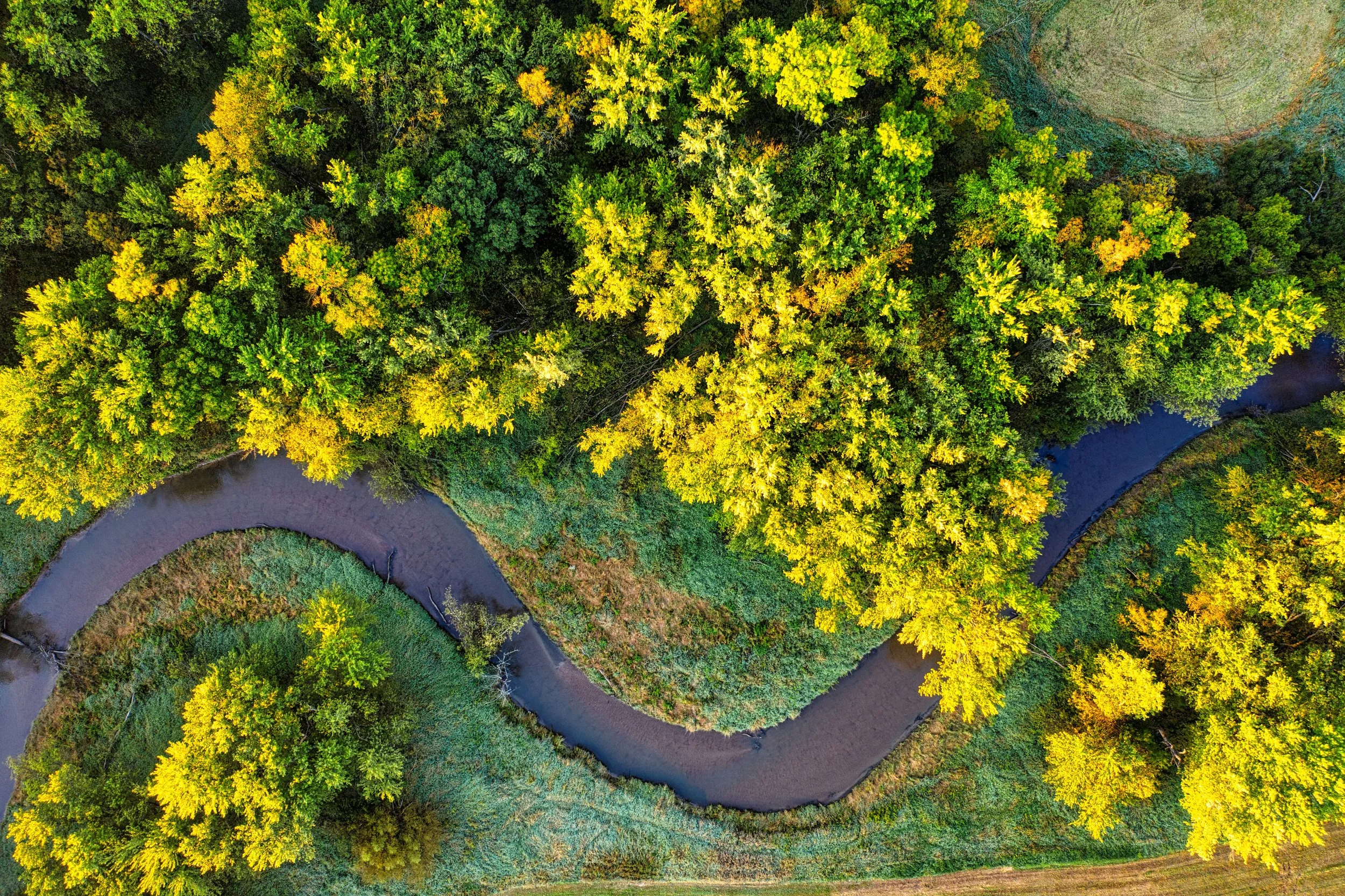
For the last 200 years, rivers have been straightened to move water faster and to make more land usable. However, the increase in speed causes downstream flooding and habitat loss. Today, environmental projects are restoring the very curves, loops and side channels that earlier engineering removed.
A natural river does not travel in a straight line. It meanders. It bends around obstacles, explores unexpected routes, slows into pools, gathers momentum and sometimes seems to wander without any obvious purpose. The meander creates habitats, nourishes the surrounding landscape, allows water to settle and gives life room to flourish. A river forced into a straight, narrow channel may move faster, but something precious is lost in the process. I often go walking around the fields where I live, and it is fascinating to see just how much more health there is in a meandering stream that there is one that's been cut straight for speed and efficiency.
Perhaps our spiritual lives are no different?
As I look around the Church today, it seems many of us have channelled ourselves into the flow of a river running too fast. Our calendars are full, our attention fragmented, our free time interrupted by the next notification, obligation or demand. Everywhere the cry is the same: tired, busy, stressed, distracted.
So, if the cry of the community is ‘too fast’, how should the Church respond?
An invitation into the slow waters of spiritual formation
Re-meandering invites us into a slower rhythm and a more effective spiritual formation. It means taking longer routes, slowing at the bends through the ancient spiritual practices of prayer, silence, sacred reading, communion and confession. It invites dwelling rather than a constant focus on goals; lingering rather than rushing. It involves making space to hear God’s voice through scripture and following Him into His mission rather than our own. It reminds us that not every moment must be productive, that not every meeting needs an outcome, and that not every journey needs a plan.
Perhaps the greatest act of resistance in a world that demands we accelerate is to restore the slow waters of spiritual formation.
So, what would it look like to re-meander our spiritual rhythms, to slow the waters to a more natural state? What steps do we need to take to restore the bends, the boulders, the pools, riffles, and wetlands where we find God and ultimately, ourselves.
Re-meandering offers something much more meaningful than simply living slowly: it offers the possibility of living a different spiritual formation where our lives regularly slow for prayer and contemplation.